Sketch book 1 - 100719 - Unintentionally Endless Project
· sketchbook
Sketchbooks are a great way to build your drawing skills. Regardless of skill level, sketching is a process that can be done by anyone. You don’t need fancy materials or expensive tools to get started. All you need is paper and something to draw with! It may sound too good to be true, but it’s not. Most people never finish their sketchbook because they put it away for later, thinking they will get back to it later. But the truth is you probably won’t get back to it later because life happens.
Over the next few post about my sketchbook(I will share links in the article), You will see my journey longer than a decade. I never thought when I started that it would go so long.
Over the next few post about my sketchbook(I will share links in the article), You will see my journey longer than a decade. I never thought when I started that it would go so long.
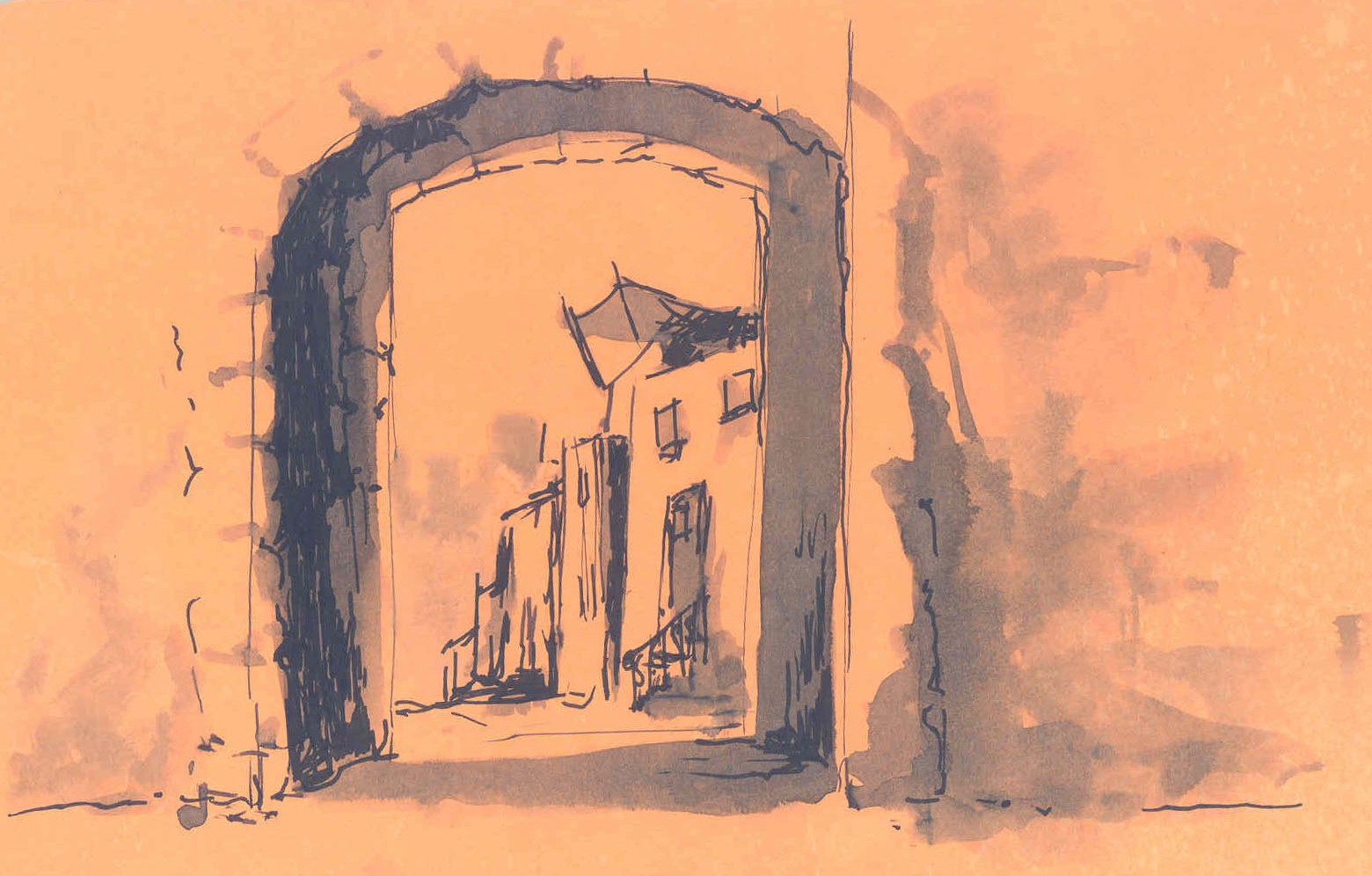
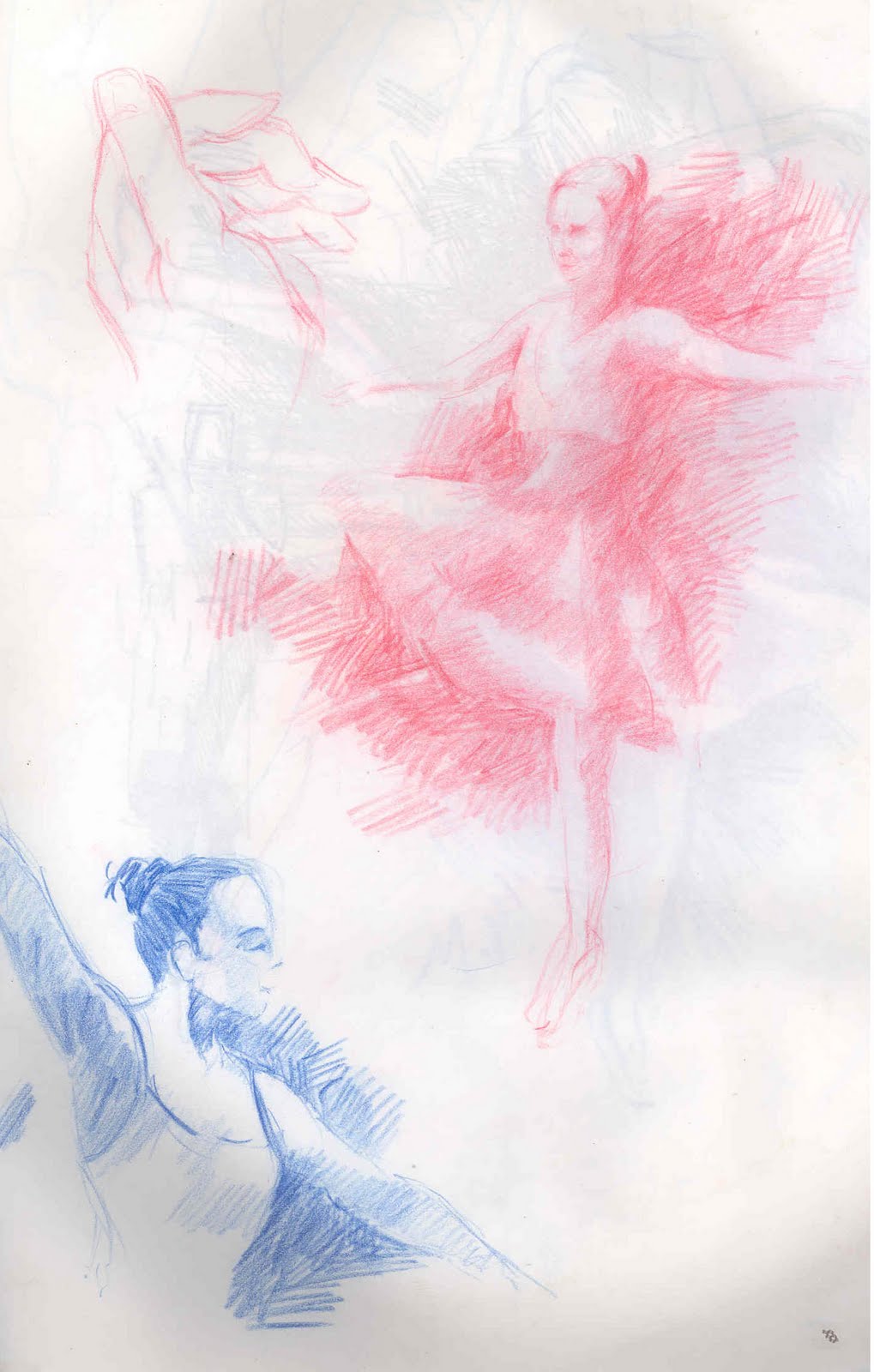
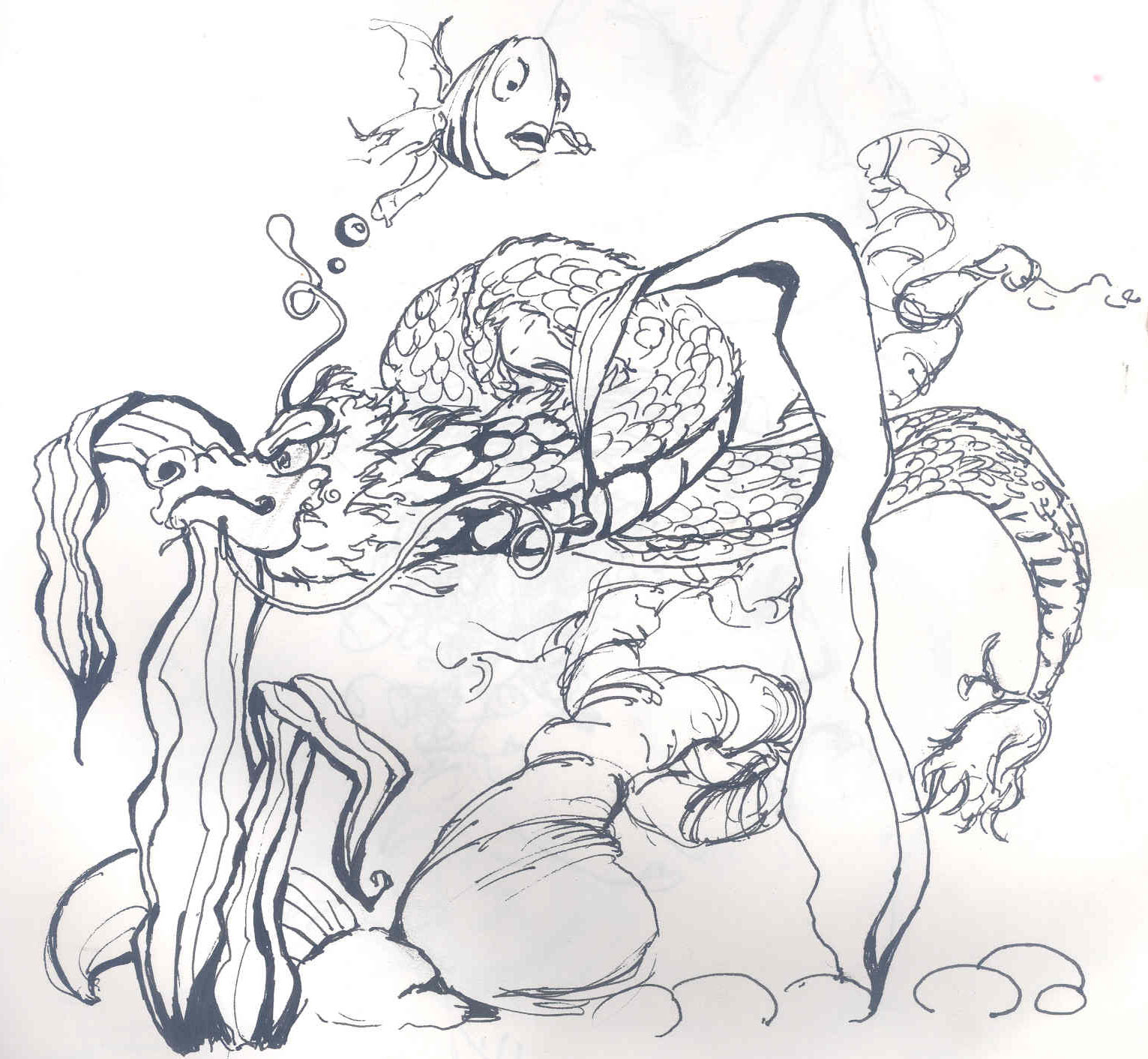
These opening doodles are exactly that — doodles. Things half-seen and redrawn from artists I admire, scribbled in the margins before the real pages begin. I am leaving them in because a sketchbook that only shows the polished work is lying about how it was made.
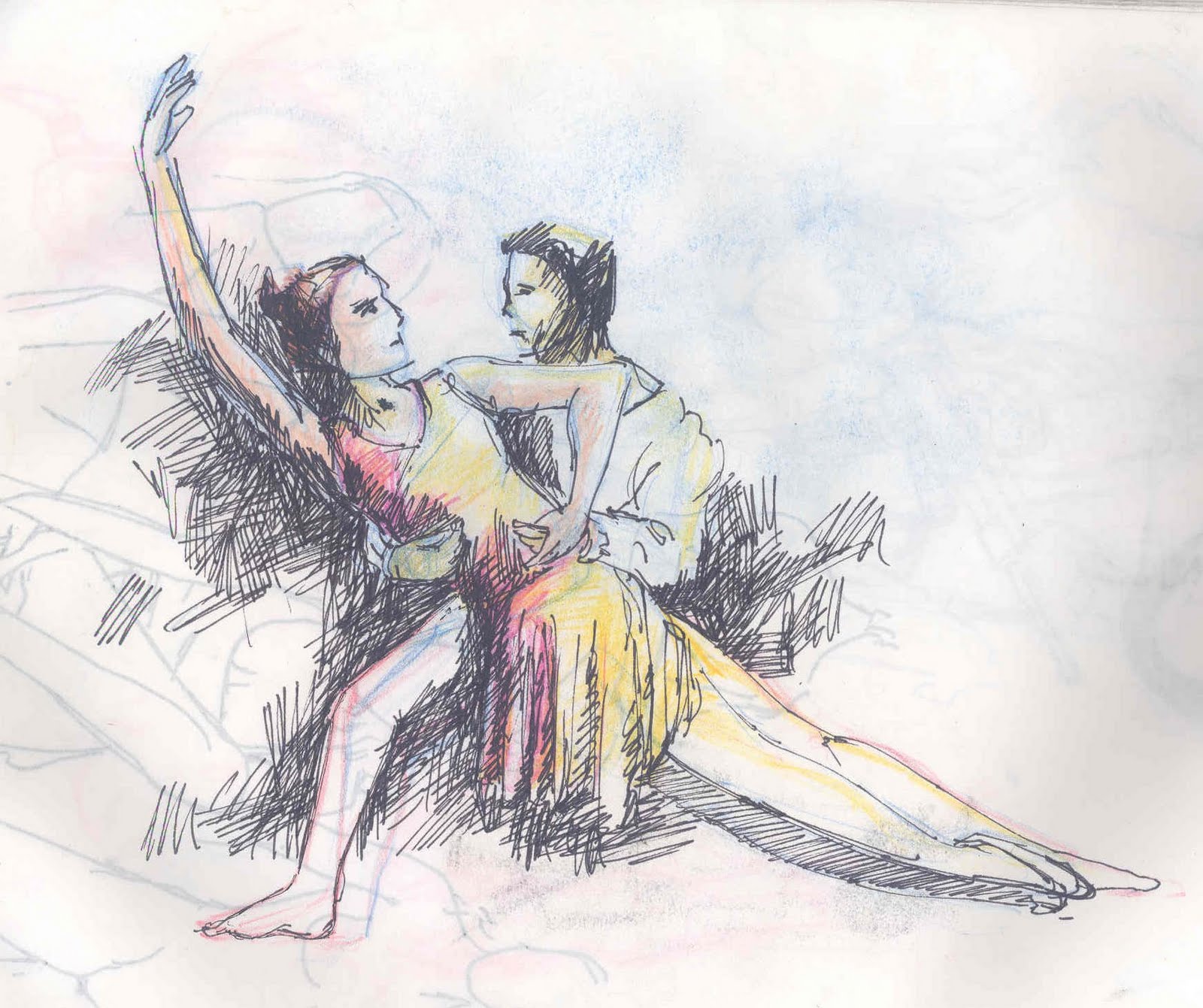


These opening doodles are exactly that — doodles. Things half-seen and redrawn from artists I admire, scribbled in the margins before the real pages begin. I am leaving them in because a sketchbook that only shows the polished work is lying about how it was made.

In this post I cover
Why sketchbooks are important
How to make your sketchbook an intentionally endless project
The importance of drawing skills
How to get started with drawing skills
Conclusion
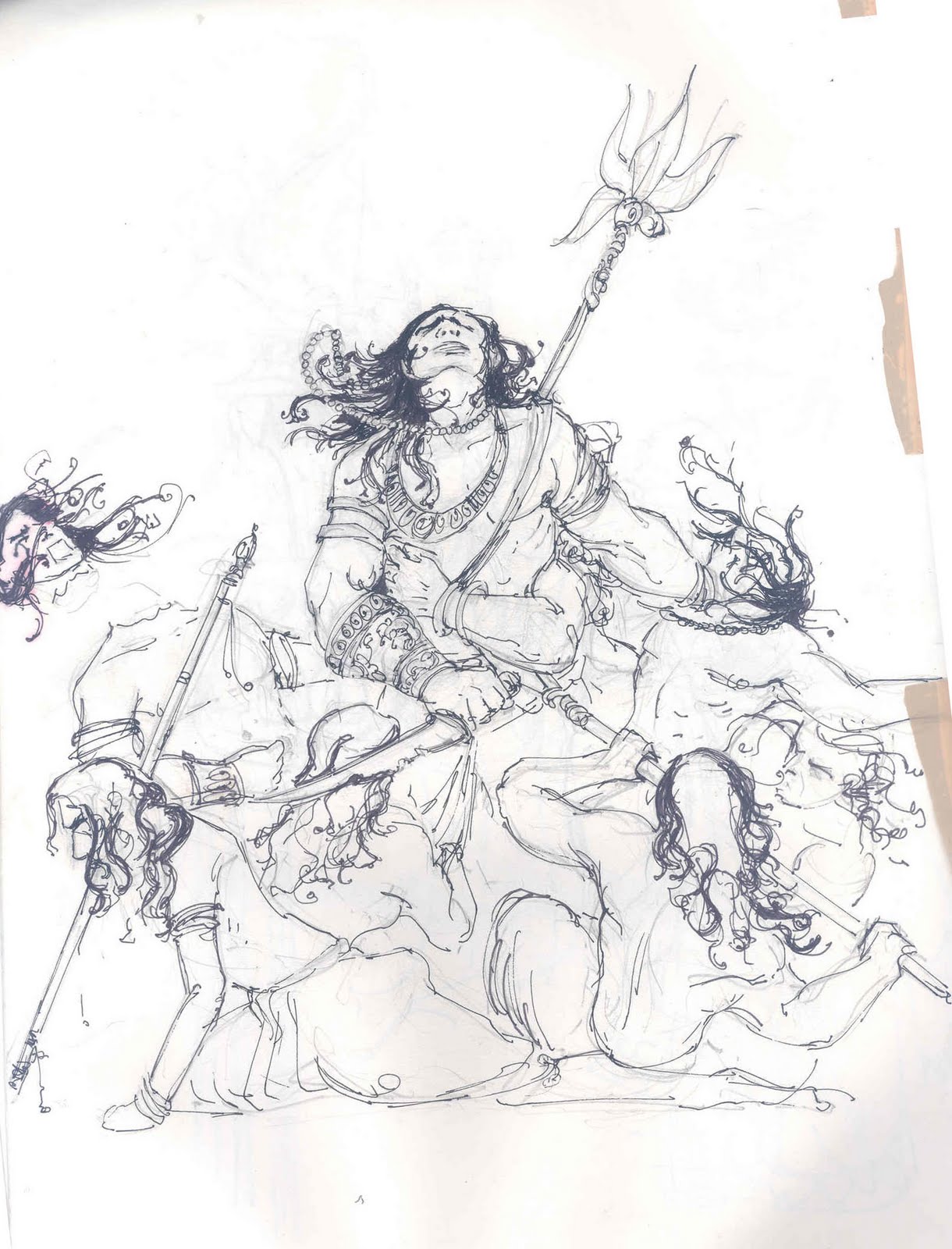


Doodling things I have seen, from artists I like.

Drawing is a great way to express yourself. It also requires creativity and discipline, which are important skills that can be applied to other areas of your life.
Sketching is not only about drawing the subject matter. It’s about the process of getting there. Sketching forces you to think creatively and experiment with different drawing techniques.
Sketchbooks are an important part of the creative process because they are a place where you can record ideas and share your work with others, like friends and family members. They also function as a good memory keeper for your sketches over time. You can look back at them in years to come and see how much you've improved!


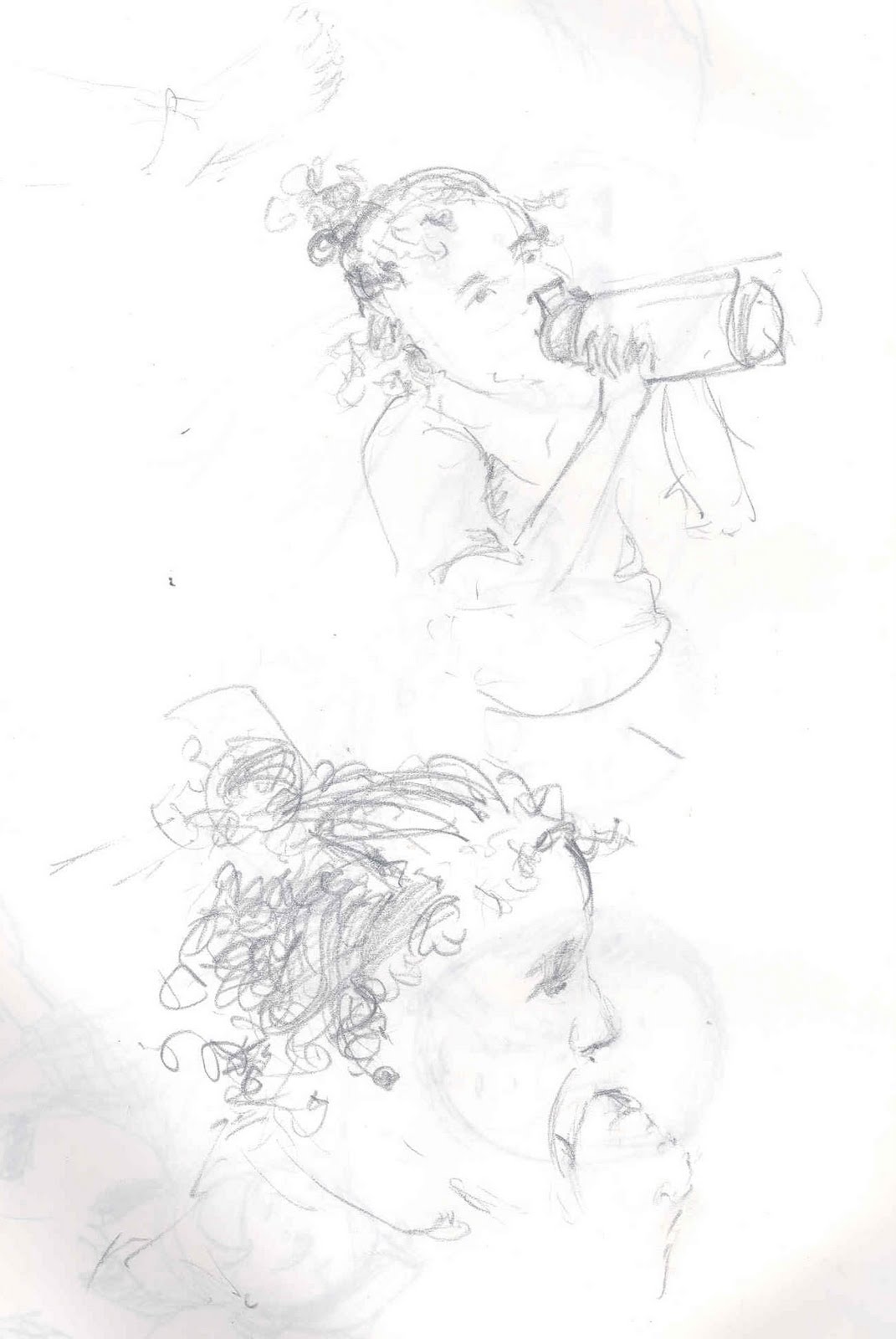
This was done in an auto-rickshaw and the sketches on her clothes are an outcome of the vibration of the auto.
No one has unlimited time. But, with a little creativity and a little patience, you can make your sketchbook an endless project.
Think about all of the different supplies you have laying around. You have a stack of old magazines from your last move. You’ve been saving those empty water bottles from the dog park for some reason. I bet there are crayons somewhere in that closet that were never opened because they were for a kid that grew up and left home five years ago.
See what I mean? There are tons of materials right at your fingertips! The sketches below were all made this way, from whatever was lying around. Look closely and you can read the day in them: the quick ones done waiting for class to start, the slower ones built up over a quiet evening.


It can be hard to find the motivation to start sketching. Drawing skills are useful in all kinds of fields. They are an essential part of design, they can be used to map out your mental process, and they can even make you more creative.
But what if I told you that sketching doesn’t have to be difficult? If you know where to look, there are plenty of tips and tricks that will help you get started. And the best part is that once you do start drawing, it’s hard to stop!
If you don’t know where to begin, I would suggest starting with a pencil sketchbook. Sketchbooks are great because they give your sketches some breathing room. You can experiment with different types of paper or different pens without having them take up space in your sketchbook. Pencils are also very versatile so it won’t be long before you find something new to try!
Check out my guide for how to start a pencil sketchbook here!
i do not mean anything wrong in this illustration.
These next pages jump between media on purpose. Ink one day, soft graphite the next, a ballpoint when nothing else is in reach. Switching tools keeps the hand curious — you stop drawing what you know and start drawing what the material wants to do.

"alice in wonderland"-in iring vinnicks style.


Some pages are just figures — a body twisting, a hand, a face turned three-quarters. Gesture work like this is the gym of drawing: nobody frames it, but it is where the muscle is built.


Drawing is an activity that anyone can do. It doesn’t matter what your skill level is, sketching is a process that can be accomplished by anyone. All you need to get started is paper and something to draw with!
It’s also one of the most popular ways for people to start improving their drawing skills. Sketchbooks are a great way to build up your drawing skills. Whether you are just getting started or want to improve your drawing abilities, continuing to work on sketching will help you learn how to create different lines, shapes, and textures.
For those who don’t know where to start, here are some tips for creating better drawings:
- Start with basic shapes like circles and rectangles
- Add detail like textures and lines
What follows is a small spread from across the book — a pen-and-ink bird tangled in branches, a brush-marker figure caught mid-gesture, a few pencil faces layered over one another. None of them were planned. Each one started as a single line on a page I happened to have open, which is the whole point: the sketchbook never asks you to be ready, only to begin.


Notice how the line quality lurches from one drawing to the next. That unevenness is not a flaw to edit out — it is the visible record of a hand still learning what it can do.


I was on the train, and this kid was fidgeting around.


I was lucky to see this operation. (patient had shattered his knee in 28 pieces)so jus I 5 mins

grand-dad he was talking to dad ... (side profile) then he use to look at me. so i had to draw two sketches simultaneously.
This blog post is written to help you gain an understanding of why sketching is so important in your life. There are many benefits to sketching, but it can be difficult to maintain a consistent practice.
Sketchbooks are great for both beginners and experts alike because they are a blank canvas waiting to be filled with creativity. There are no rules when it comes to sketchbooks—just find what works for you. Whether you want to share your sketches or keep them private, it's time to open up the possibilities! Check out the next part here — Sketchbook 2